
Prove your Dify 1.18 agent can route real work
Check upgrade safety, auth, route visibility, ifpkg portability, nested runs, and CLI control before trusting Dify 1.18.0 agent workflows.
Do-it-with-us walkthroughs.
Check upgrade safety, auth, route visibility, ifpkg portability, nested runs, and CLI control before trusting Dify 1.18.0 agent workflows.
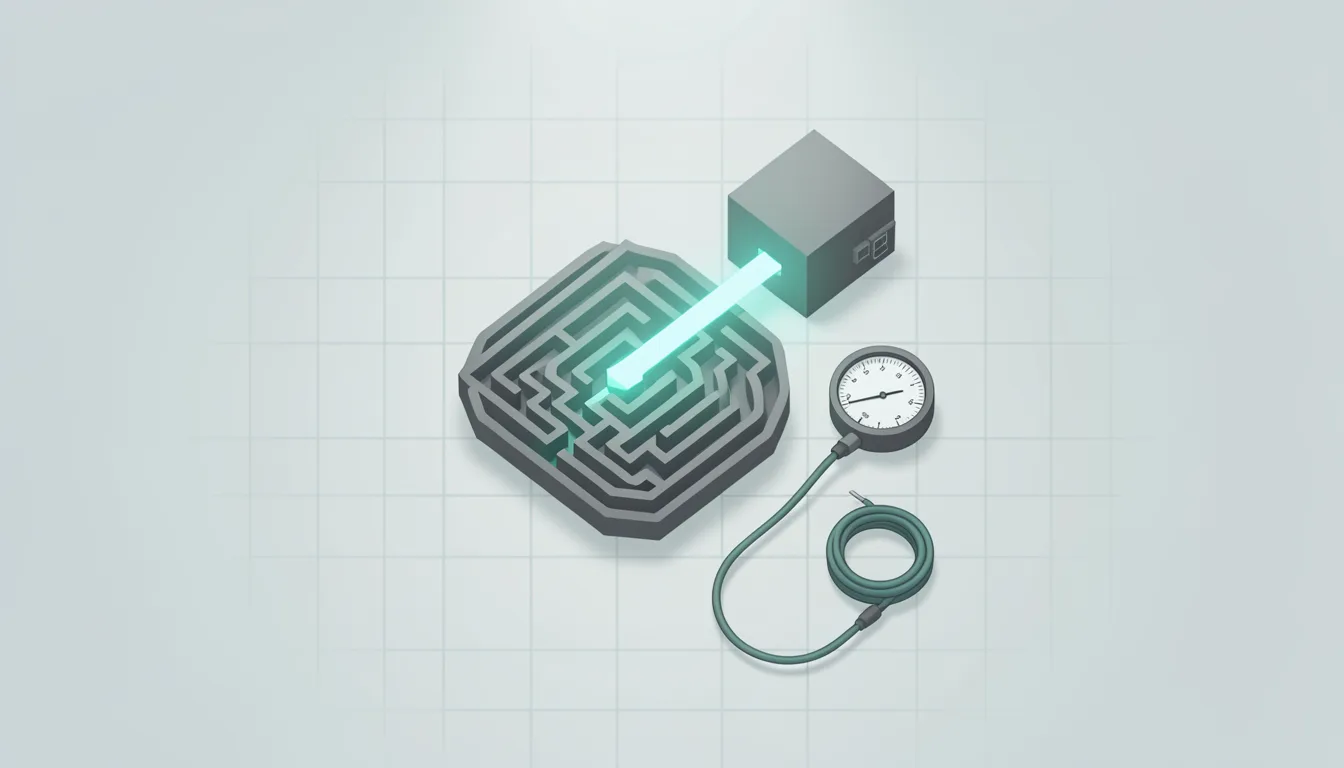
A first parallel coding goal should be measurable, small, and checked against plan usage before you scale threads.

Run four backlog tasks, log billed tokens and wall-clock time, then compare cost per finished task before moving Codex to GPT-6.1 Sol.
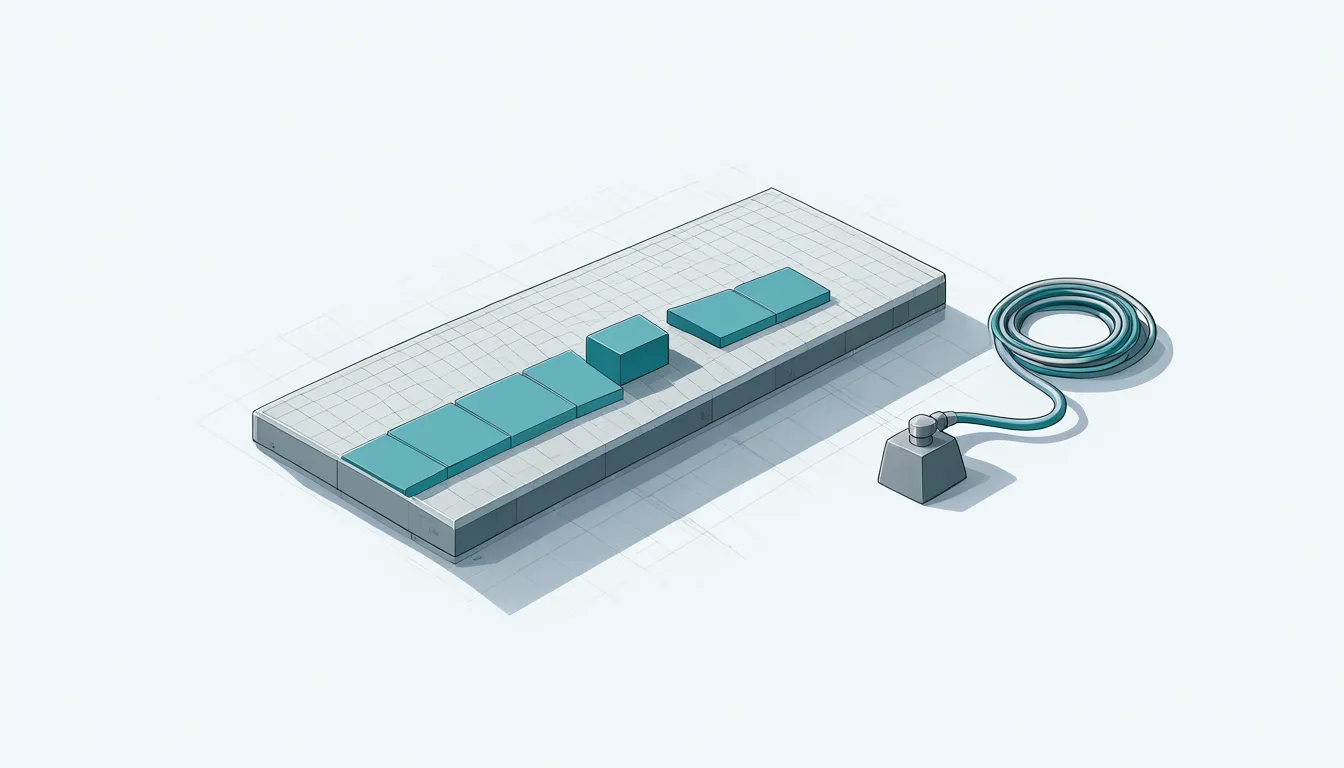
A one-task protocol for testing a local computer-use model before replacing a paid baseline.

Treat the generated app as a suspect: trace calls, deploy to build-test networks, verify protocol behavior, export the code, then run a failure checklist.

Run a long-horizon Android task, score completion rate across function, visuals, and regressions, then choose the agent whose failure row matches your work.
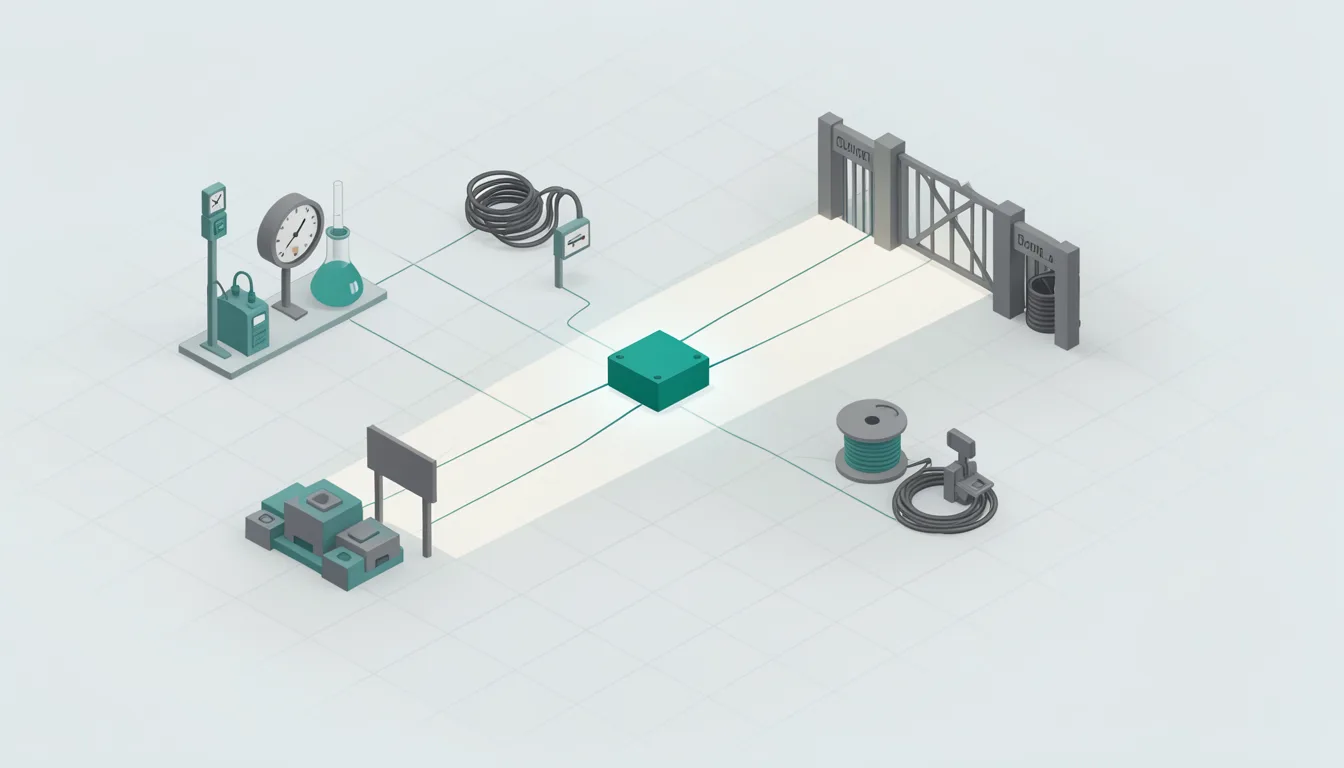
A first-long-task checklist for agent projects: brief it, verify delegation, isolate branches, review memory, add a trigger.
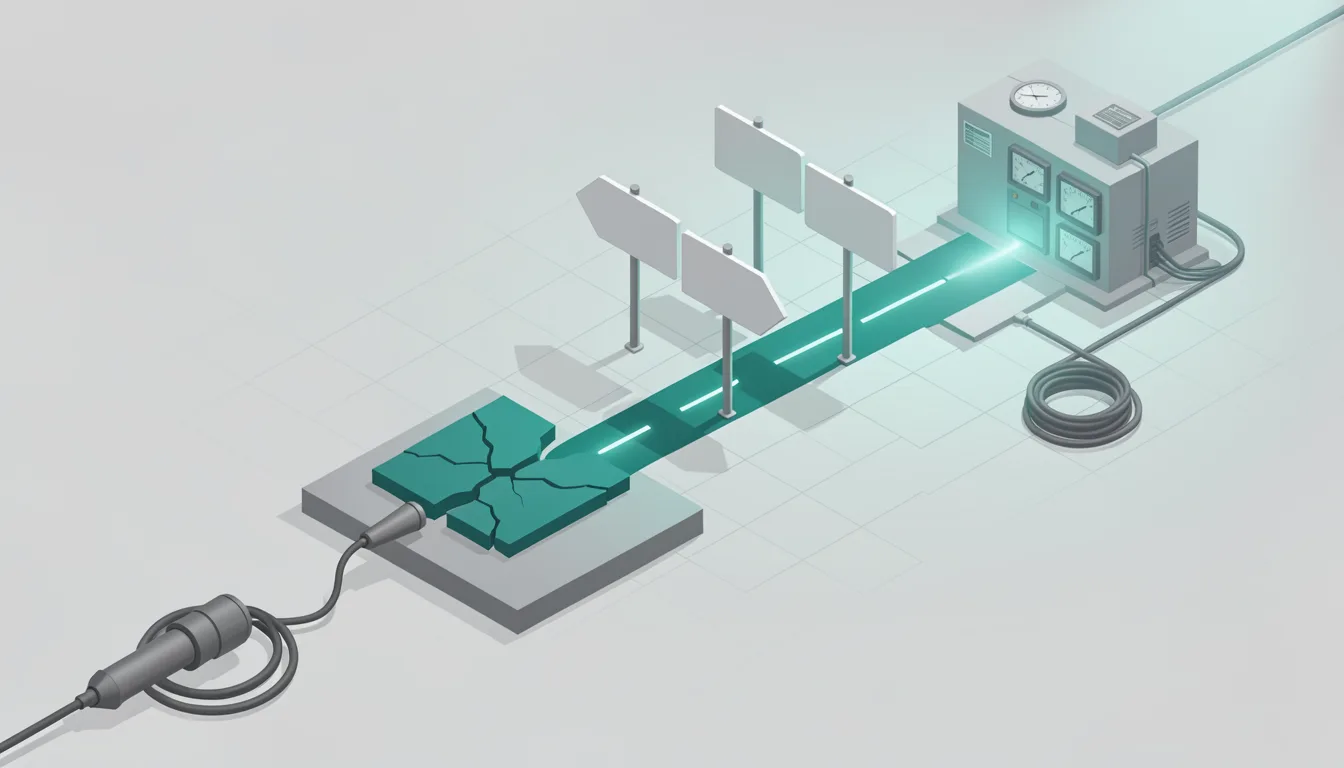
A five-gate harness for checking whether a coding agent's security claims survive your own repo.

Use unseen customer-service tasks, real records, cost caps, and a pass-rate ceiling to judge whether a coding agent can build an agent.
A grounded coding agent cites current docs and fails cleanly on questions only current docs can answer; here is a field test.

Check allowance, session, and agent-attributed cost meters, then set model and effort defaults to keep AI credit spend inside budget.

Treat cache-key changes, compaction, and beta switches as expensive operations, then verify hit rate after the warm turn.

Test a customer-facing agent with adversarial paraphrases, multilingual retests, repeated runs, and regression cases before launch surprises become incidents.

Audit vendor AI benchmarks before buying: check runner, harness, task closure, human baseline, and cost.

A five-probe test plan for enterprise AI gateways: routing, guardrails, observability, policy, and cost attribution.
Treat fast agent deployment as the start of an audit: a five-point field test for setup speed, permissions, visibility, misuse, and rollback.
ChatGPT's local LibreOffice is a useful document pipeline, but only if you treat it as a scoped tool, not a standing permission to roam your files.

Treat ChatGPT downtime as a continuity test: classify tasks, map dependencies, and pre-wire fallbacks before the outage finds you.

Treat agent evaluation like a containment experiment: run one risky task, enforce access, log every call, and score what the sandbox caught.

Before enabling a work tool skill, check its instructions, exposed tools, permissions, and prompt overhead against the manual route.

Use a real customer escalation ticket to test agent frameworks on tool access, approvals, audit logs, failure recovery, and handoff evidence.

If your agent testing stops at happy-path demos, you are measuring optimism, not readiness; here is a shadow-run matrix for reliability, security, and business outcomes.

Start with the Geelong dead dolphin and seal: two carcasses, community fear, no H5N1 result in the supplied evidence. A constrained monitor briefs named sources, labels gaps, and stops before advice.