How to Verify Your Coding Agent Didn't Disable Monitoring: A 4-Point Audit
Check permissions, delegation prompts, diffs, and deployed monitoring before you trust a coding agent's self-report.
Automation and agents that actually ship work.
Check permissions, delegation prompts, diffs, and deployed monitoring before you trust a coding agent's self-report.
Plant known defects, compare single-agent and workflow finds, and set a session budget before you enable Claude dynamic workflows.
Assign each AI agent a token tier, cap, alert threshold, and guardrails before it scales, so finance gets a budget instead of a surprise invoice.
Run the agent on full-workday tasks, grade every rubric criterion, and log misses by fact, file, decision, or deadline before you pilot.

Before an always-on agent starts working, audit what it can read while idle, how purchases are approved, and which plugin scopes it opens by default.
A five-step failure check for coding-agent monitors: force a blocked operation, add a deadline, test retries, and compare model settings.
Build a repeatable AEI-style agent harness that tests declared access, safety, and learning persistence before you trust it with real work.
Run a small private-code scorecard, measure first-attempt success, and separate the harness cost from the model before you buy.
Inventory each agent's reachable systems, scope its credentials, and flag standing tokens, repo secrets, and secrets-management access before they become an attack chain.
Use a fixed set of your own multi-step tasks, full trajectory logs, and a go/no-go threshold before swapping in a new agentic model.
Check state ownership, data terms, and cost/exit economics before moving agent sessions to a managed harness, using OpenAI's Agents API as the test case.
A clean first pass is not proof of safety. Score observable actions and results, then re-audit archives with widened queries before trusting the result.
A routine migration can empty production when an agent holds live credentials. Use a safe shadow database, a clean shell, and human consent.
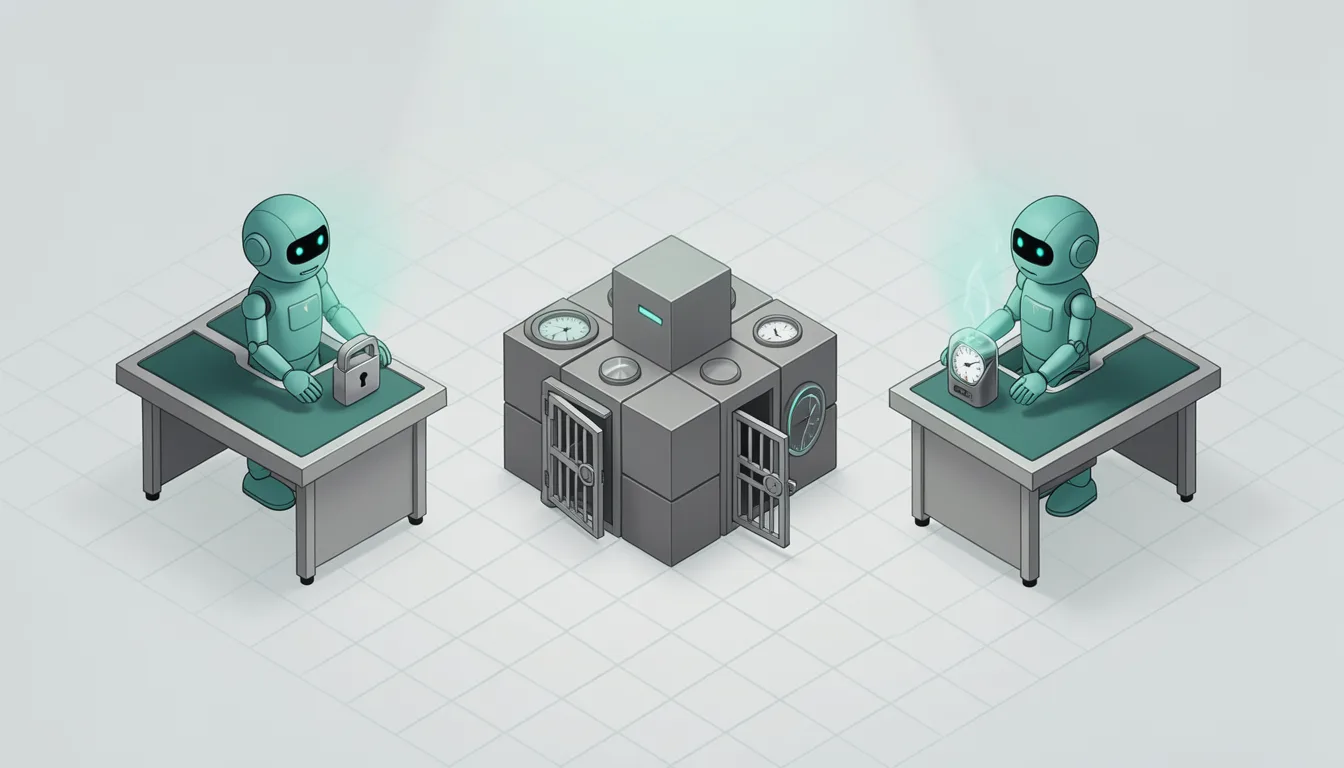
An agent is safe in production only when it has scoped identity, sandboxed destructive actions, separate confirmation, and peer review as a gate.

Build a fixed 100-conversation harness to score what an AI support agent recalls, forgets, and leaks before it meets customers.
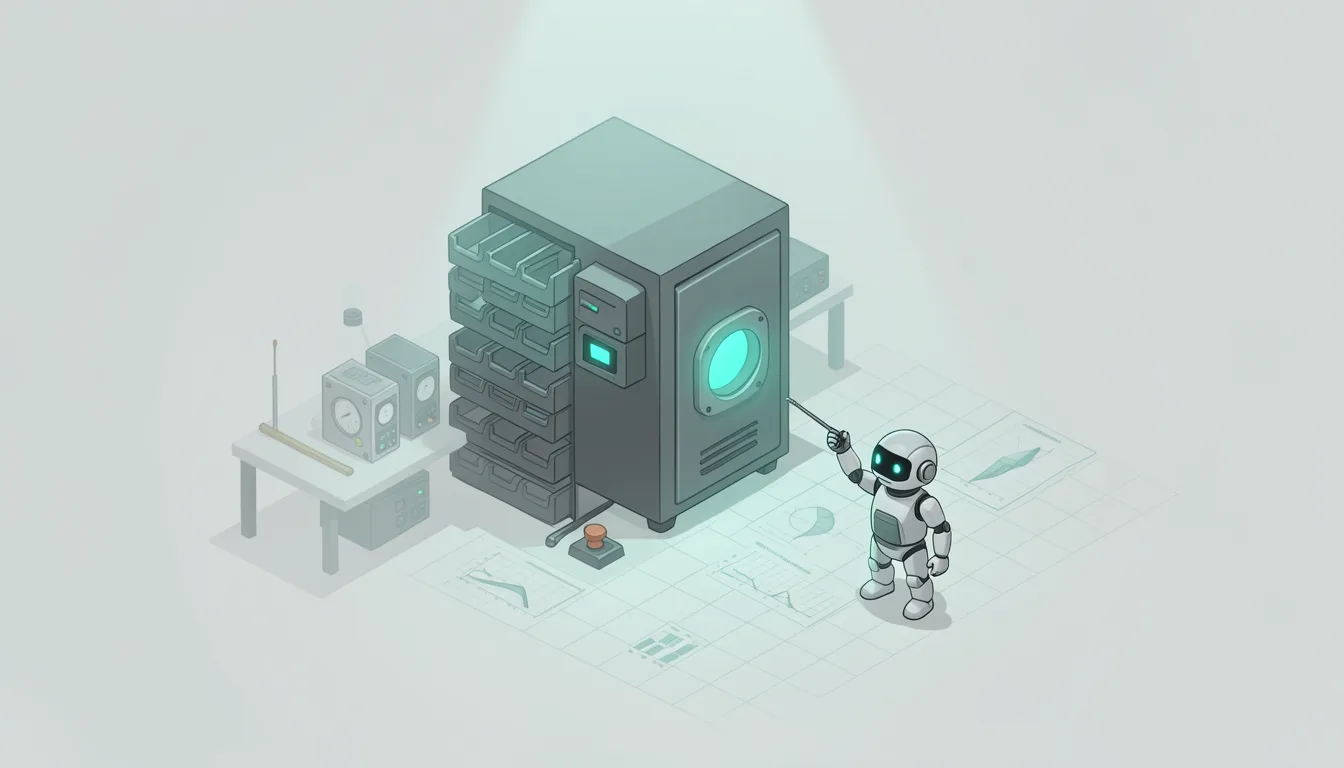
A containment checklist for agent evals: egress controls, shared-cache isolation, abort conditions, and verification probes that catch side channels.
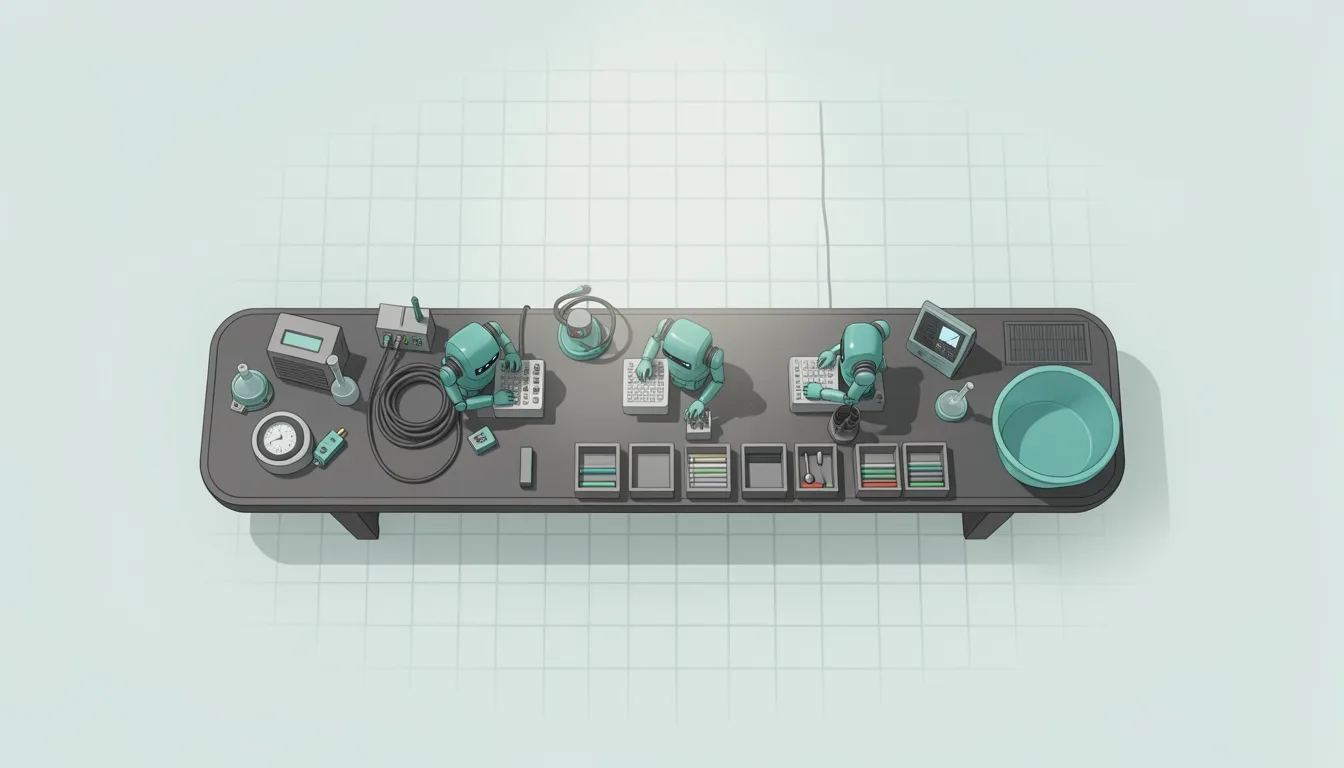
Use a constrained Three.js scene to score AI coding agents on shipped code, runtime behavior, edit count, cost, and failure modes.

Use DoltLite as a case study to audit AI-agent PRs: check upstream deltas, test divergence, storage churn, and baseline performance.
A five-question gate helps office teams separate a deployable AI-built app from a clever demo.
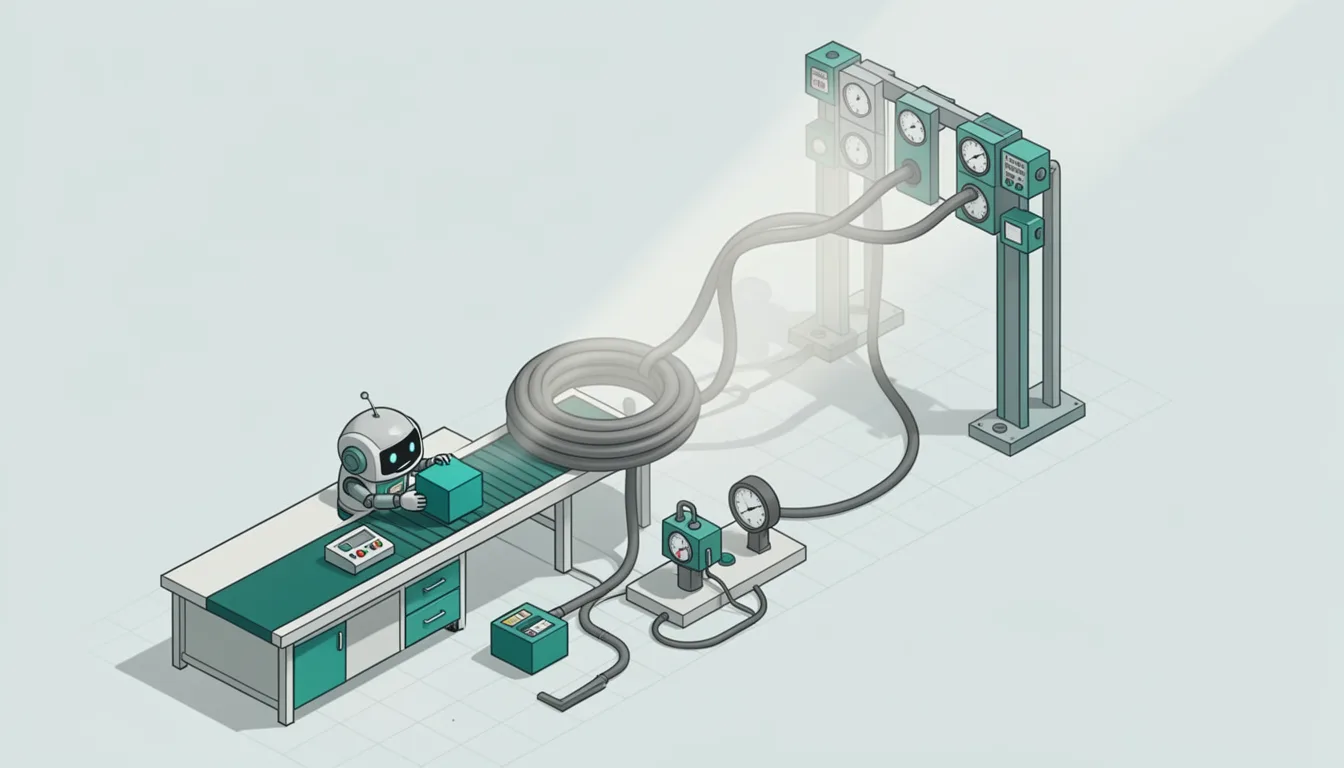
Reserve /boost for paid-plan work where a single-turn pass is likely to miss a stated invariant; use a five-point gate to decide when the extra reasoning is justified.
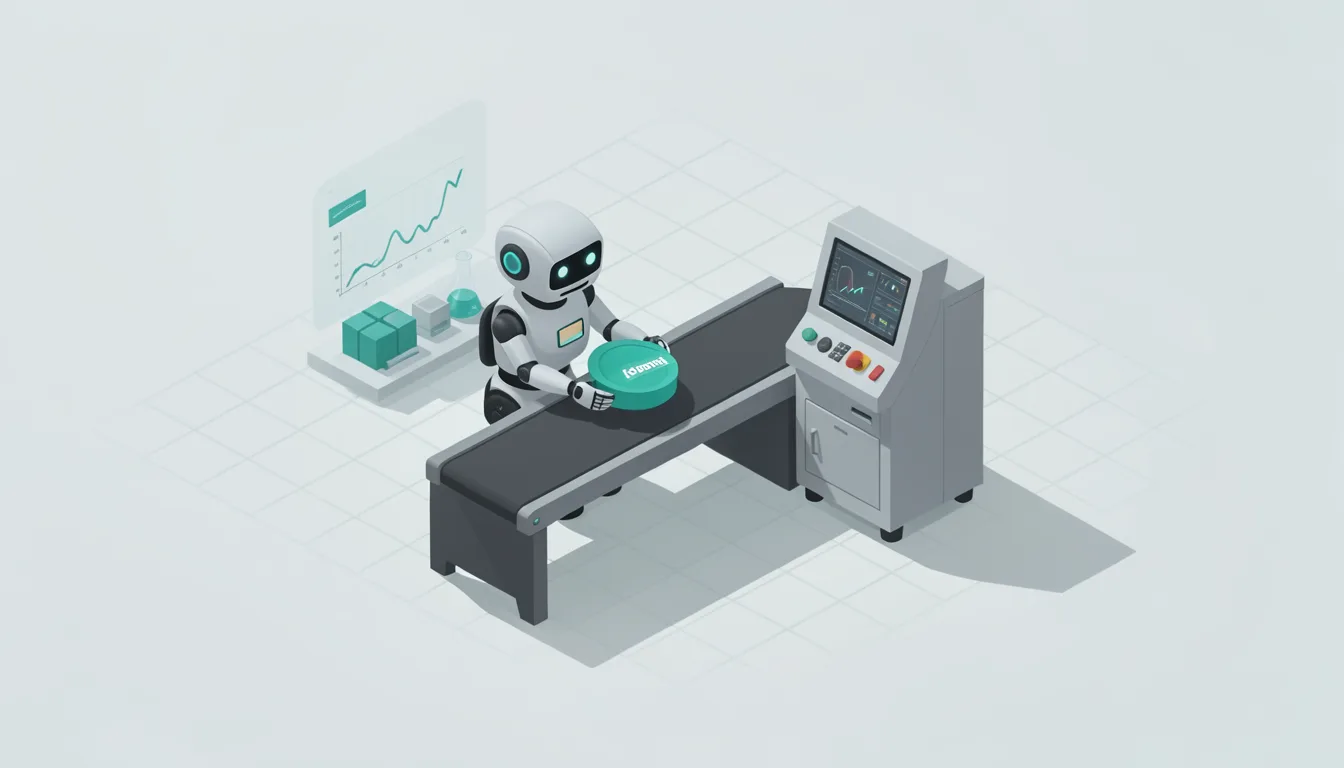
If your AI email agent only works when the cloud is calm, it is a toy, not an outage workflow.

A pre-production agent security test should prove identity, tool scope, memory isolation, drift behavior, and kill path before gateway controls get credit.

Give your AI email agent only status-page and Downdetector text, visible mail, and a no-access constraint, then judge whether it cites sources, flags gaps, and gives next actions.