Three-question check before moving agent state to a managed harness: OpenAI Agents API
Check state ownership, data terms, and cost/exit economics before moving agent sessions to a managed harness, using OpenAI's Agents API as the test case.
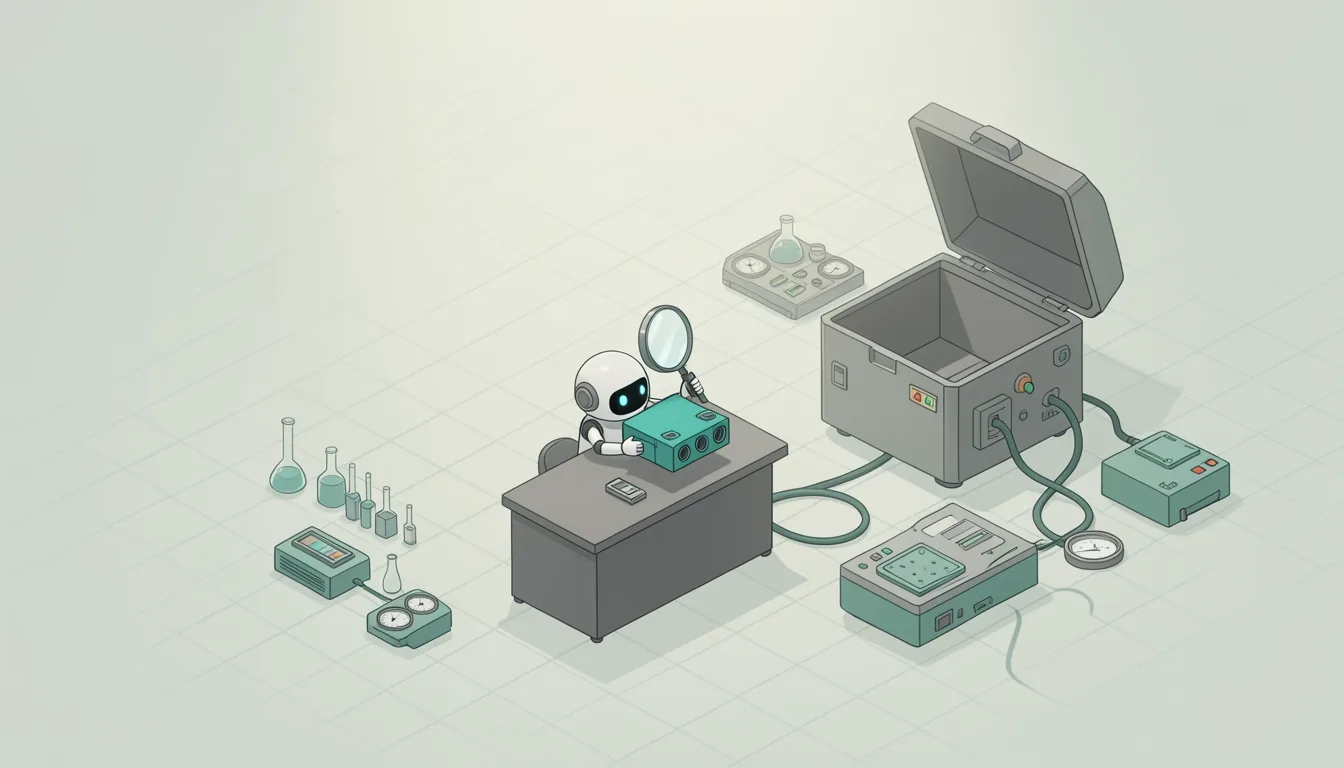
You have an agent that already does useful work. Its state is somewhere you can inspect: a file, a database row, a queue, process memory. A managed harness offers to take that state and run it for you. Convenience is easy to evaluate. The harder question is whether you can still read, move, and delete the session.
OpenAI started the Agents API public beta and put the Codex harness behind it on September 10, 2026. The managed service handles recovery, session persistence, task coordination, and automatic context compaction. The harness does the work and becomes part of your agent infrastructure.
State ownership is the first thing to test
A managed agent session is more than a chat log. It is the record of what the agent did, what it tried, what it compressed, and what it can resume. If the vendor owns that record, your exit depends on their export, replay, and deletion tools.
Execution can happen with no sandbox, in an OpenAI-hosted sandbox, or in a self-managed or partner environment. The execution choice matters, but the session state still sits inside the harness. Check whether you can pull the session out in a format your own code can read: a transcript, a state file, or a database dump. A readable structure lets you plan the exit. Vendor tooling only creates a dependency. A documented export creates a path. An unclear answer is a reason to keep the state where you can inspect it.
Data terms decide whether the harness is allowed in
Retention is the part that does not show up in a demo. During public beta, data residency for the Agents API is limited to the United States. Zero Data Retention, a no-copy option, is not offered, even when execution runs on customer infrastructure. Retention matters for regulated work, customer data, and any environment where a log is a liability.
A self-hosted agent environment changes where code runs. It does not automatically change what the platform keeps. OpenAI's launch lists nine partner sandbox integrations. Those options can help with isolation, but they do not erase the data terms attached to the managed session. Request the retention schedule in writing, then compare it against your internal data policy.
Before state moves, look at what the harness stores, where it stores it, and whether you can turn retention off. A no answer does not make the harness useless; it makes it wrong for some work.
The cost stack hides in the exit path
The harness itself is not billed as a separate line; you pay for model tokens at the chosen model's API prices, OpenAI tools at standard prices, and OpenAI-hosted sandboxes at standard container prices. The line item is simple. It is not complete.
The real cost includes the work you do to leave. Analyst Pareekh Jain flags lock-in as the biggest concern: OpenAI supplies the model, context management, tools, orchestration, plus the execution environment, so platform migration gets harder. If your agent depends on the harness for the session lifecycle, leaving requires rebuilding those parts or accepting different behavior.
Use the three checks before state moves, whether the option is a managed harness, a self-hosted harness, or another SDK. Each one is a decision point.
- Who owns the session: can you export, replay, or delete it without the vendor's tooling?
- What data terms do you accept: where data resides, whether retention can be turned off, and what self-hosting actually changes?
- What are the cost stack and exit path: what is billed, what is locked to the harness, and what must you rebuild to leave?