First Long Task in Cursor Projects: A Delegation, Memory, and Trigger Checklist
A first-long-task checklist for agent projects: brief it, verify delegation, isolate branches, review memory, add a trigger.
Run the first long task as a controlled experiment
Before you let an agent run a long feature in your repo, give it one bounded task and stop before merge. The point is to see whether delegation, branch isolation, memory, and triggers hold up. The variable is how much autonomy the agent gets, the expected output is a reviewable diff, and the rollback is a branch you can delete.
Cursor introduced Projects on September 10, 2026. The Projects feature was in beta, and the rollout to all Cursor users began the same day. New users merge 30% more pull requests, and users who mainly use Projects merge six times as many. Treat the lift as a reason to test, not as proof. Projects is unavailable on Enterprise plans or with Privacy Mode (Legacy), because cloud agents keep code in the cloud. If your repo cannot leave the building, stop before you prompt.
Check delegation and branch isolation before merge
Use this checklist for the first run. Each item is a check you can do before the run gets expensive.
- Write a short brief with scope, forbidden changes, and a definition of done; if a new engineer could not tell what done means, rewrite it.
- Watch the first coordinator turn: it should produce a task list and delegate, not open files and edit code.
- Ask for isolation, then check that each subagent has its own branch or worktree before any merge.
- After the run, open the project memory files and confirm they contain useful codebase notes, not just logs.
- Add a trigger only after the manual run passes review; if it fires, it should do a narrow action.
Run the task manually first. Let the coordinator plan, let the subagents work, and stop before merge. If the plan is wrong, you have not wasted a long run; you have only spent a review.
In Projects, the coordinator plans the work, splits it into tasks, and hands implementation to other agents instead of writing code. The first turn is a useful probe. If it starts editing files, the brief was too vague or the coordinator is doing the job of a coder. A good plan should be boring: small tasks, clear owners, no hidden dependencies.
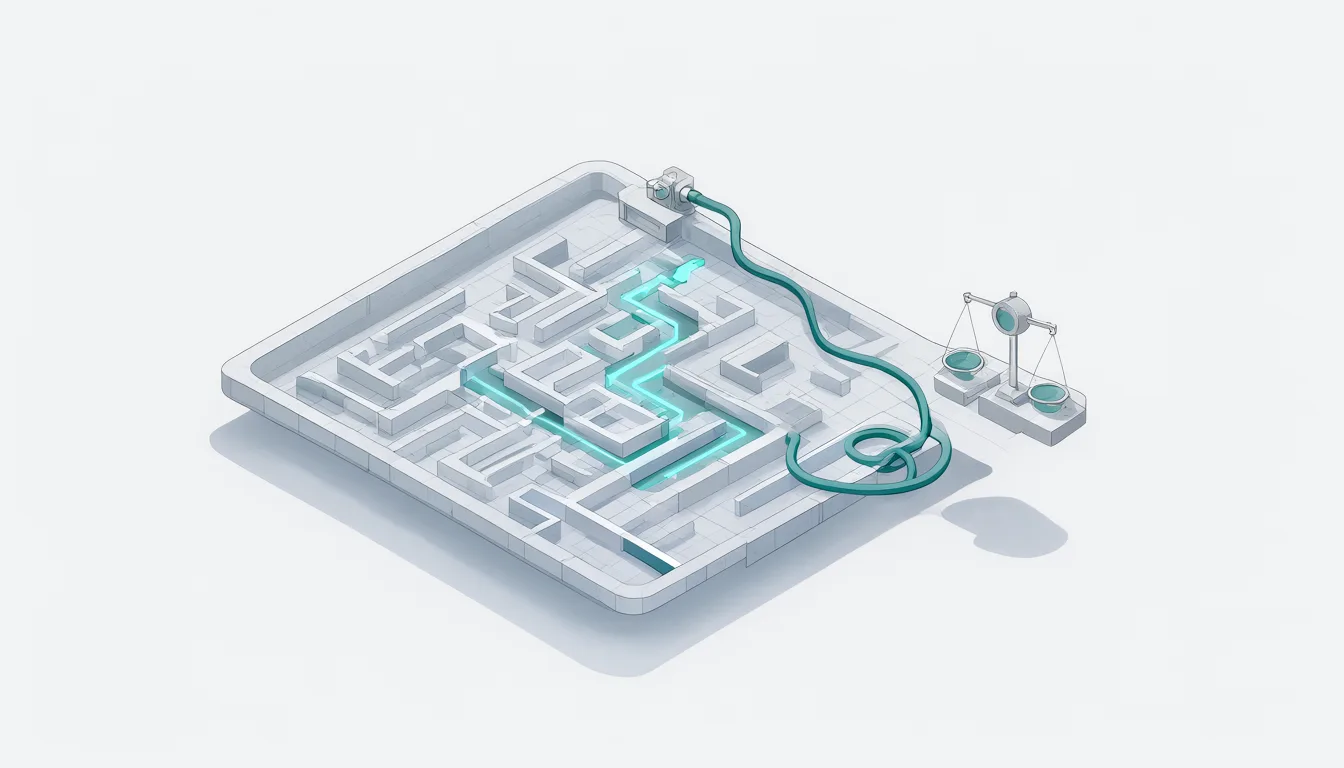
By default, subagents share the parent checkout, so simultaneous edits can overwrite one another unless you ask for isolation. When you ask for isolation, each subagent gets its own Git worktree or dedicated cloud VM, and its changes stay on a separate branch until the parent merges. Before anything lands, point to separate branches and say which agent owns each one. Shared checkouts are fine for a solo agent. They become a mess when agents touch the same file at the same time.
Review memory, then add one narrow trigger
A Project keeps shared context files in sync across cloud and local machines, so later agents can reuse what earlier runs learned about the codebase and your preferences. The review asks whether a new agent would use the note tomorrow. If the files are mostly logs, the memory has not earned its place. Memory should be short, concrete, and reusable: the odd function, the test that matters, the preference you already stated.
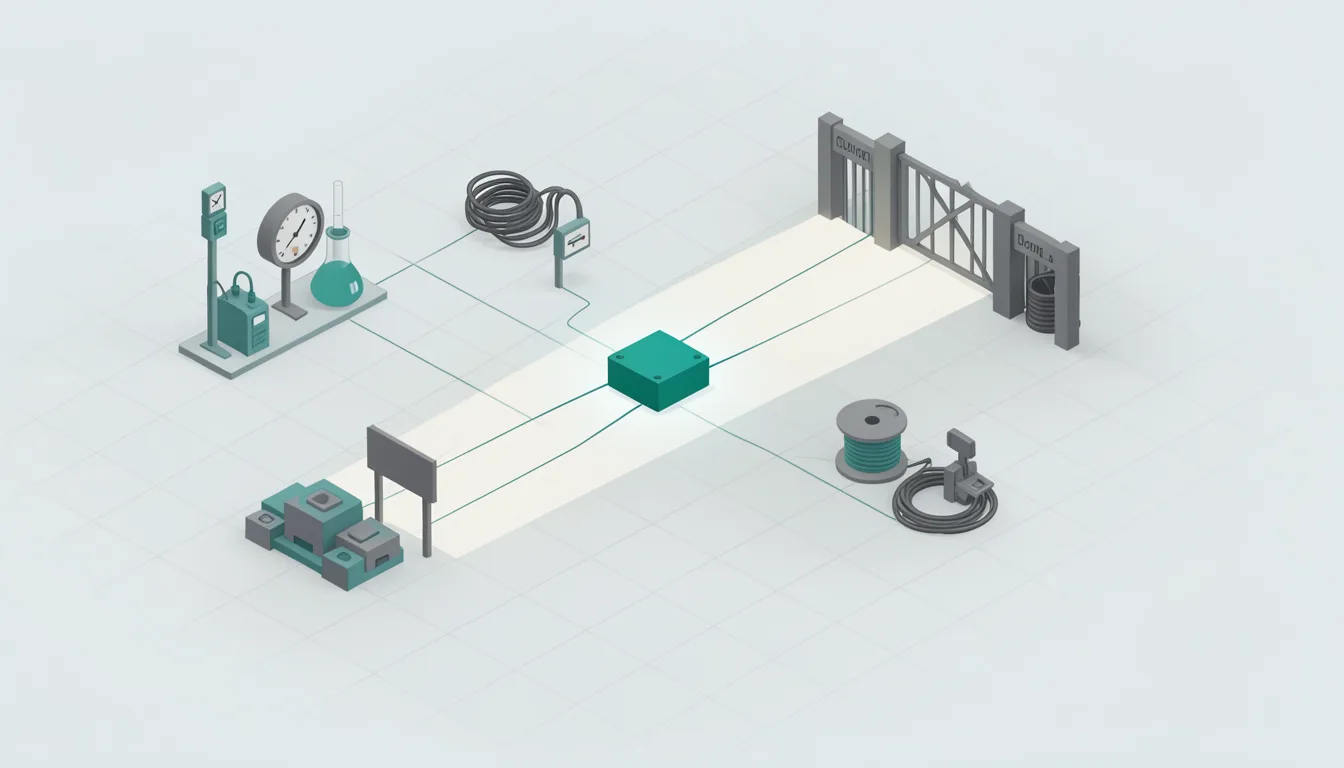
A Project can listen to a Slack channel, fire on a schedule, or react to pull-request events, and then take an action without a human prompt. Add that only after the manual run is clean. A trigger is a standing instruction. It should be narrow enough that you can read the action and decide whether it was sane.
If the trigger can do many things, you have built an agent without a review loop. A five-subagent parallel run uses roughly five times the token cost of a single agent, and simple tasks can slow down because each subagent starts with a clean context. Review the action before you let it run again.